
Ask anyone who has worked a night shift in a sugar mill and they will tell you that things are never really quiet. Even when the cane has stopped, there is always vapour being vented, pipes sweating and condensate running away to waste. They are right to think nothing of it, really.
They should not be. This condensate is hot, low in dissolved solids and produced in volumes too large to simply throw away. In many mills, it is regarded as a nuisance and dumped despite the opportunity it represents to conserve water and recover energy.
Condensate polishing in sugar mills is the process that makes this a reality, and in this blog I will explain what it is, why you cannot simply put it straight back into the boiler, how a polishing unit is configured, and what it can save you.
Where all this water comes from
Raw cane is approximately 70% water, and this gets boiled off in the evaporators and vacuum pans. This vapour is not lost, as it gets condensed into substantial volumes of water. For reference, a mill processing 5,000 tonnes of cane per day can expect to recover in the region of 0.5 tonnes of condensate per tonne of cane processed. Multiply that by 5,000 and you are looking at thousands of cubic metres of water per day.
Meanwhile, the same mill is also drawing off water from rivers, canals or borewells to provide make-up water for the boilers, washing filters and cooling towers. Compare the two figures and the realisation hits: we are paying to take in water when we are already creating it in abundance.
What is condensate polishing?
Condensate polishing is the process of cleaning condensed steam and vapour fit for reuse.
Notice that I said “polishing”. This is not dirty water, and is already fit for many uses, limited only by the impurities in the steam that produced it. There are reasons why you cannot simply put it back into the boiler, however, and I will get to those shortly.
Why you can’t simply put it back into the boiler
This is a common question, and the short answer is that steam from a sugar mill contains several undesirables that need to be removed before it can go back into the boiler.
The first is sugar itself, in the form of entrained droplets that get picked up when the evaporators and pans are under high vacuum. This may not seem like much, but even trace amounts of sugar in the boiler feed water can result in foaming and scale.
Ammonia is another undesirable that finds its way into the condensate. It is created when nitrogenous matter in the cane juice is broken down during evaporation. Ammonia and amines that pass off with the vapour increase the pH and conductivity of the condensate and can cause pitting in copper alloys.
Organic acids are also present, which can increase the acidity of the water and contribute to corrosion. Oil can get carried over from turbines and pumps, rust from pipework, and finally trace amounts of salts and silica. Each of these is present in only small amounts, but are potentially damaging to the boiler in the right circumstances.
High pressure boilers are now common place in cogeneration plants, and the penalties for poor condensate quality are severe. A single incident of carryover can result in a tube failure and subsequent outage of the entire plant, which can be extremely costly when it happens at the worst possible time.
How a condensate polishing unit works
A polishing plant is usually a combination of various units depending on the requirement, but generally follows the same pattern.
The first step is segregation, which is more of a plant design consideration. Steam from the exhaust or the first effects is much cleaner than that returned from the last effects or the vacuum pans. These can be kept separate and processed individually, resulting in a lower overall requirement of equipment and cost. If mixed, the resulting condensate will be of lower quality and require more rigorous treatment.
The next step is equalisation. This serves to balance the flow of water to the rest of the plant, and also recover some heat.
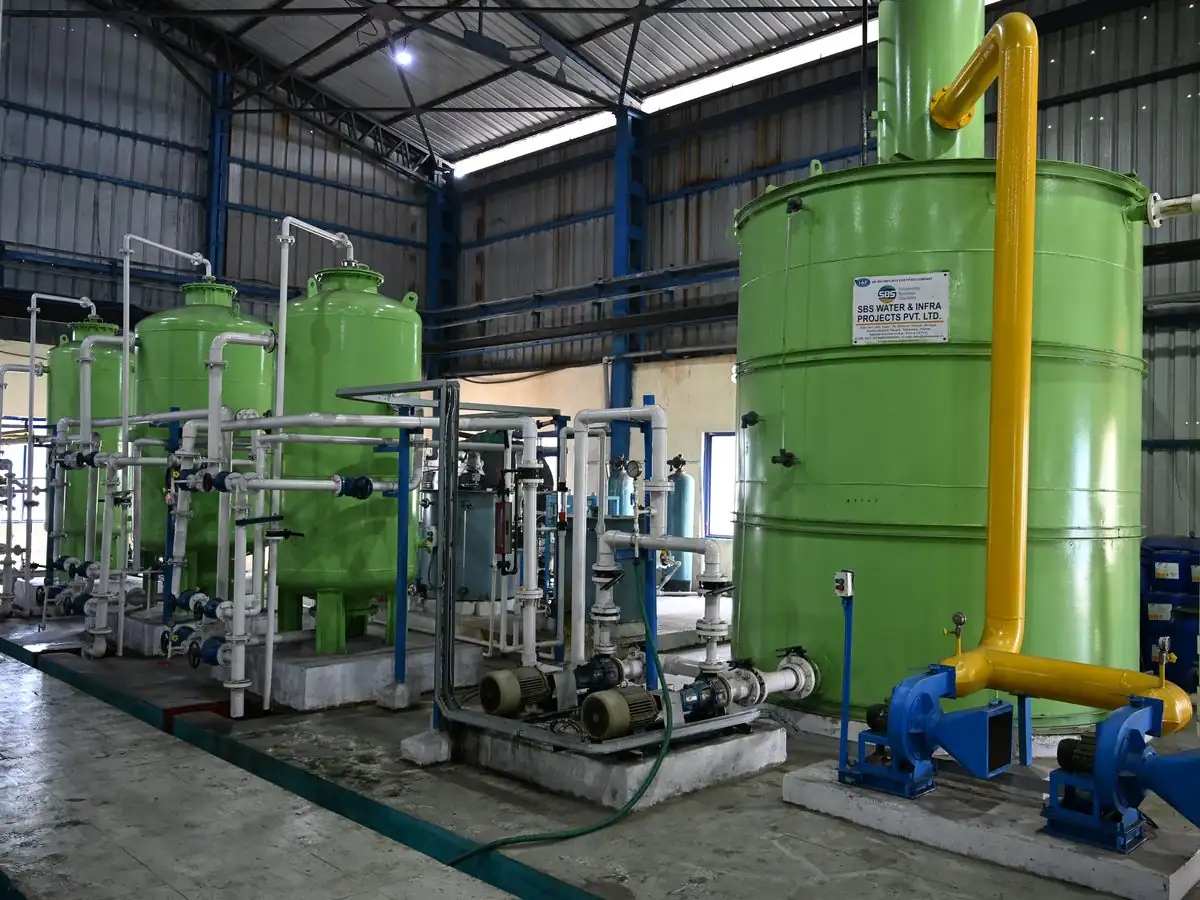
The condensate is then filtered to remove oil and suspended matter, typically with bag or cartridge filters, possibly with a coalescer for oil removal. Activated carbon beds follow to adsorb any organic matter, colour or oil that may have gotten through the filters. The next step is usually an ion exchange unit, where cation resins remove ammonia and other positively charged ions, with mixed bed polishers capable of producing water of DM grade fit for boiler feed.
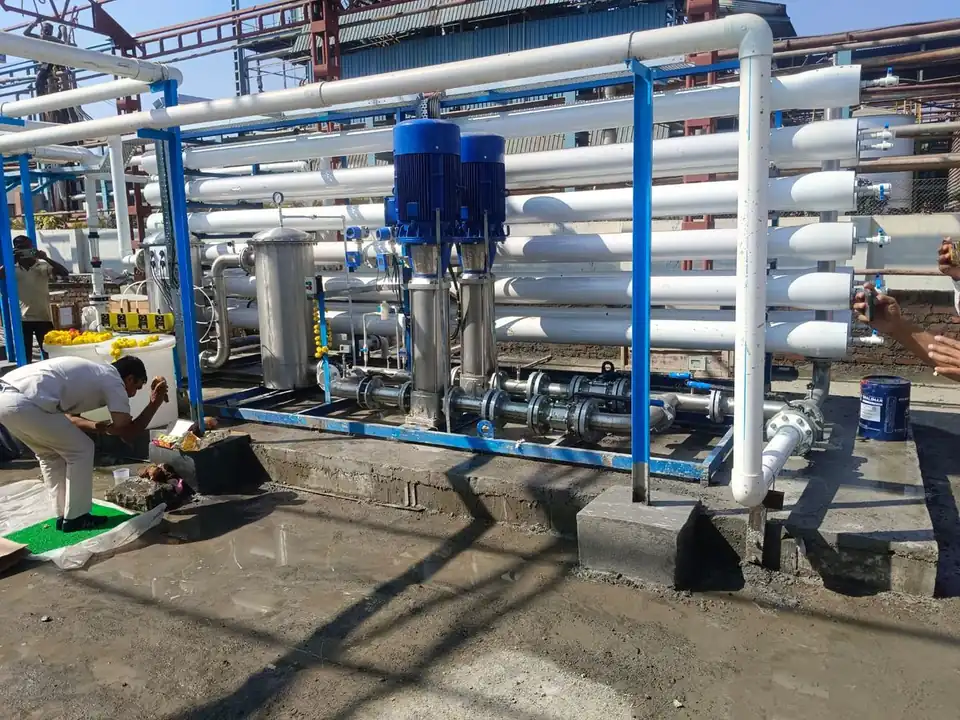
Membrane based systems such as ultrafiltration or reverse osmosis are also occasionally employed, for example when exceptionally high standards of purity are required or a zero liquid discharge policy is in place.
The final step is monitoring, which I would argue is the most important part of the entire system. Online conductivity and pH meters are standard, and some plants also use TOC analysers to determine the level of organic carbon present. If the quality falls below the required threshold, water can be sent to a secondary treatment or used for alternate applications depending on the available options. This is one of the features that can make or break a polishing plant, as it is what prevents the feed water to the boiler from becoming contaminated.
Where the water can be used
The most obvious place that fits with a polishing plant is boiler feed. The temperature is also ideally suited for this application, reducing the load on the DM plant.
The next most common use is imbibition water for the bagasse in the milling tandems. This increases juice extraction, and is another area where hot condensate is beneficial.
Lime preparation, filter cake washing, centrifuge washing, pan washes, cooling tower make-up and general cleaning are also common applications. Depending on the quality and the requirement, any of these can be served by a polishing plant. Boiler feed is obviously the most stringent, but washing applications and imbibition water can tolerate a relatively lax standard.
What reusing condensate saves
One of the advantages of condensate polishing is that the benefits accrue in multiple areas.
Water is obviously the most obvious consideration, and a major one at that. In areas where cane, drinking and irrigation water all come from the same source, conservation is a priority. A mill that recycles its own water is in a much better position if supply is constrained.
Treatment costs are also lower, as a lesser volume of water needs to be treated. Every cubic metre of condensate that is reused is one that does not need to be processed by the raw water treatment plant or the DM plant, saving on regenerating the resins and on acids and alkalis.
The energy saved by reusing hot condensate is considerable, and can come in more ways than one. If the water is returned to the boiler or used for imbibition while still hot, fuel can be saved heating it up. Bagasse fired mills can also see savings in the form of more bagasse available for export or savings during the lean season.
Effluent costs also come down, both due to a lesser volume of water needing to be treated, and the fact that the quality of the effluent is better than raw water. Finally, the boiler itself sees the benefits of reduced scaling and corrosion, reducing the risk of tube failure and unplanned downtime. With sugar mills operating on thin margins, even a month of production loss can be crippling, and reduced downtime is always a welcome relief.
A rough calculation
The figures below are entirely illustrative, as your own savings will depend on your own costs, resources and location.
Assumptions
| Mill capacity | 5,000 tonnes cane/day |
| Polished condensate reused | 3,000 m³/day |
| Crushing season | 150 days |
| Avoided cost of raw water and treatment | Rs 20/m³ (est.) |
Results
| Water reused in a season | Water treatment savings |
|---|---|
| 450,000 m³ | Rs 90,000,000 (90 lakh) per season |
This does not include the savings in terms of reduced fuel consumption, consumption of DM chemicals, boiler maintenance or effluent costs. In some cases, these can be as much as the savings illustrated above.
Common mistakes when setting this up
The most common mistake is mixing up clean and dirty condensate. It is much easier to design a smaller polishing plant if the condensate from the first effects is kept separate from that of the last effects and the vacuum pans.
Another mistake is not addressing the source of contamination, such as faulty entrainment separators in the evaporators and pans. If these are not performing adequately, the polishing unit has to do the job of removing sugar.
Some mills also fail to budget for online analysers and monitoring equipment, not realising that it is the eyes and ears of the plant. The cost of a single damaged boiler far outweighs the cost of a couple of analysers. Membranes and resins also get neglected during the off-season, only for the plant to find that they are ineffective during the next crushing season.
Finally, a polishing plant requires a human presence to monitor the equipment and perform maintenance. Good equipment can be wasted on poor operator supervision, resulting in poor water quality and downtime.
Where this is all heading
Water is a growing concern in many respects. Disposal is becoming more difficult, and mills are looking to adopt cogeneration and ethanol production, both of which require a steady supply of high quality water. Condensate polishing is one of the easiest ways to make the transition to a water positive, nearly zero liquid discharge mill, and the water is already present inside the factory.
FAQs
What is condensate polishing in a sugar factory?
Condensate polishing in a sugar factory refers to the treatment of condensed steam and vapour from the evaporators and vacuum pans using filtration, activated carbon, ion exchange and sometimes membranes. This allows a large portion of the water to be recovered and reused in the process and in the boilers.
Can sugar mill condensate be used directly as boiler feed water?
Not directly, as process condensate from evaporators and pans can contain traces of sugar, ammonia and organic acids. Exhaust steam condensate may be cleaner but still requires some treatment.
Which technology is best for sugar mill condensate treatment?
It depends on the water quality and the intended use, but most polishing plants consist of some combination of filtration, activated carbon, ion exchange and sometimes membranes. The first two are standard, with the latter two used when higher water quality or zero liquid discharge is required.
How much water can a mill save by reusing condensate?
It depends on the mill, but in many cases a polishing plant can recover a large amount of water, enough to cover a large portion of the mill’s make-up water requirements.
Is a condensate polishing unit worth the investment?
In most cases yes. A polishing plant reduces the expenses in several areas at once, including water, fuel, chemicals and maintenance, while also reducing the risk of boiler failure. This usually means a payback period of a couple of seasons at most.
Conclusion
A sugar mill produces substantial volumes of hot, near pure water as part of its normal operations. Condensate polishing removes trace impurities, and this water can then be reused in the process or the boilers rather than being sent down the drain. Mills that have adopted this method see reduced expenditure in several areas, use less water and have a more sustainable future.
Looking to recover condensate at your mill? Talk to our team about a condensate polishing unit sized for your plant.