
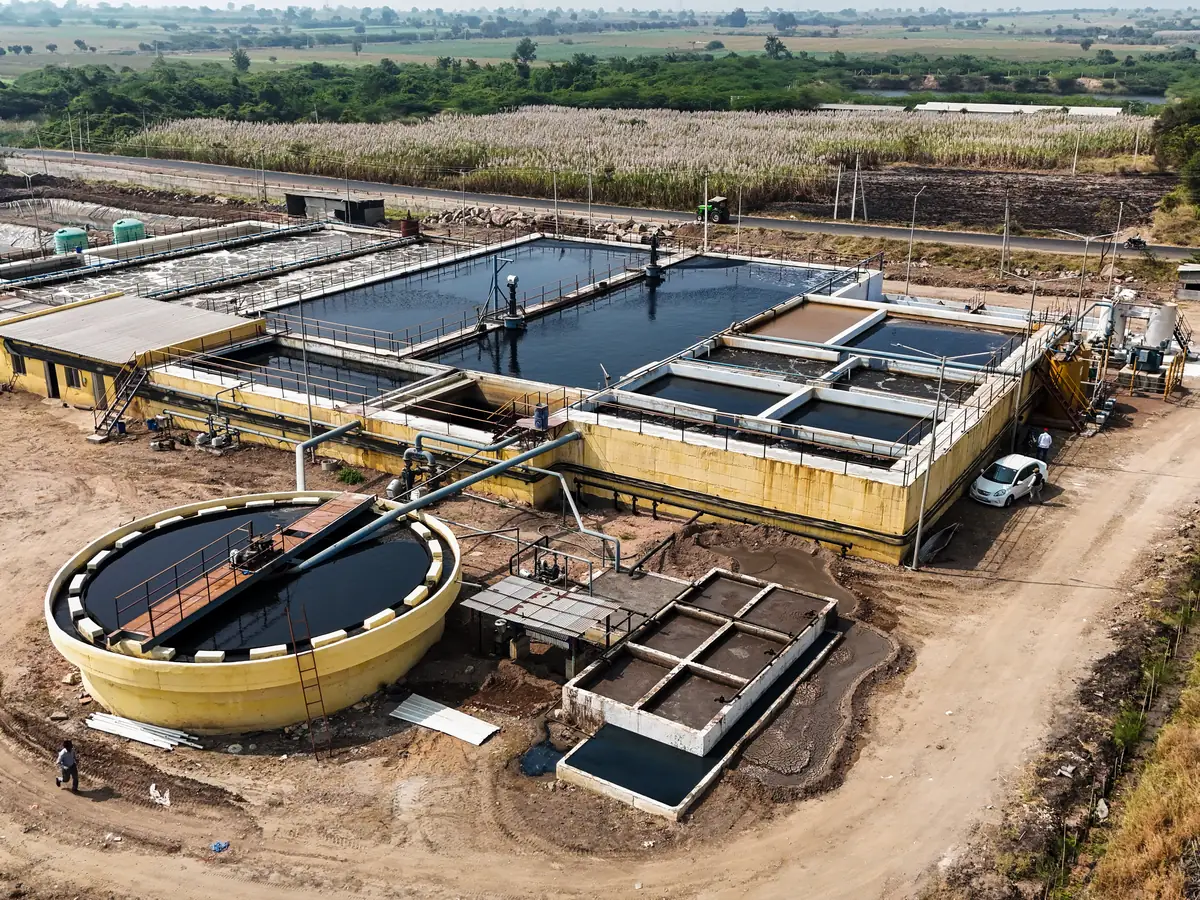
Introduction
Water plays an essential role in manufacturing, processing, cleaning and cooling operations. However, these activities generate wastewater containing chemicals, oils, suspended solids and organic pollutants. Discharging untreated wastewater can cause environmental damage and regulatory challenges.
Choosing the right Industrial Wastewater Treatment Plant helps factories manage effluent responsibly, reduce freshwater consumption and improve operational efficiency. But with different treatment technologies and system configurations available, selecting the right solution requires careful planning.
Let’s explore the key factors every factory should consider before investing in an industrial effluent treatment plant.
What Is an Industrial Wastewater Treatment Plant?
An Industrial Wastewater Treatment Plant is a system designed to remove physical, chemical and biological contaminants from industrial wastewater. It uses different treatment processes to make wastewater suitable for safe discharge or reuse, depending on applicable requirements.
Common treatment objectives include:
- Removing harmful pollutants from industrial effluent.
- Meeting applicable environmental standards.
- Recovering and recycling treated water.
- Reducing freshwater consumption.
- Supporting sustainable manufacturing operations.
8 Factors to Consider When Choosing an Industrial Wastewater Treatment Plant
1. Analyse Your Wastewater Characteristics
Before selecting an industrial ETP plant, understand the composition of your wastewater. Parameters such as pH, BOD, COD, TSS, TDS, oil and grease help determine the appropriate treatment process.
For example, textile industries may generate coloured wastewater, while food processing facilities often produce effluent with high organic content. Proper wastewater analysis helps engineers design an effective treatment system.
2. Determine the Required Treatment Capacity
Calculate the average daily wastewater generation and maximum flow rate of your factory. Consider production schedules, seasonal variations and future expansion requirements.
An undersized wastewater treatment plant may struggle during peak operations, while an oversized system can increase investment and operating expenses. Selecting the correct capacity ensures reliable performance.
3. Choose the Right Treatment Technology
Different industries require different treatment technologies depending on their wastewater characteristics.
Common technologies include:
- Physical treatment: Removes suspended and settleable solids.
- Chemical treatment: Uses coagulation, flocculation and pH correction to remove specific contaminants.
- Biological treatment: Uses microorganisms to break down biodegradable pollutants.
- MBBR: Uses attached-growth microorganisms for biological treatment.
- SBR: Combines biological treatment and settling in sequential cycles.
- UF and RO: Provide advanced filtration and dissolved-solids removal for suitable applications.
A combination of these processes may be required to achieve the desired treated-water quality.
4. Check Environmental Compliance Requirements
Industrial wastewater treatment systems in India must meet applicable environmental regulations and pollution control requirements.
Before installation, review relevant discharge standards, Consent to Establish (CTE), Consent to Operate (CTO) conditions and sludge disposal requirements. The Central Pollution Control Board (CPCB) and respective State Pollution Control Boards provide important regulatory guidance.
The treatment plant should be designed according to the specific requirements applicable to your industry and discharge destination.
5. Evaluate Water Recycling and Reuse
A properly designed industrial wastewater treatment system can help recover water for suitable applications, including cooling towers, floor washing, gardening and industrial utilities.
Technologies such as Ultrafiltration (UF) and Reverse Osmosis (RO) can improve treated-water quality for specific reuse requirements. Industries with suitable technical and economic conditions may also consider Zero Liquid Discharge (ZLD) systems.
6. Consider Available Installation Space
Evaluate the available space for treatment tanks, pumps, blowers, filters, pipelines, electrical panels and sludge-handling equipment.
If your factory has limited space, compact or modular treatment configurations may be considered. However, maintenance access and operational safety should not be compromised.
7. Compare Installation and Operating Costs
Do not evaluate an industrial wastewater treatment plant only by its initial purchase price. Consider the complete project cost, including:
- Equipment and civil construction.
- Installation and commissioning.
- Electricity consumption.
- Chemical requirements.
- Maintenance and spare parts.
- Labour and sludge management.
Comparing capital expenditure (CAPEX) and operating expenditure (OPEX) helps identify a suitable long-term investment.
8. Select an Experienced ETP Plant Manufacturer
Choose an industrial wastewater treatment plant manufacturer with relevant industry experience, engineering expertise and reliable after-sales support.
Evaluate the manufacturer’s process design capabilities, equipment quality, installation experience, commissioning support and maintenance services. A customised solution based on actual wastewater analysis is generally more appropriate than a standardised design.
Common Industries Requiring Industrial Wastewater Treatment
Industrial ETP plants are widely used across manufacturing and processing sectors.
| Industry | Common wastewater challenges |
|---|---|
| Sugar | Organic pollutants and suspended solids |
| Distillery | High BOD and COD |
| Textile | Colour and chemical contaminants |
| Pharmaceutical | Complex chemical and organic pollutants |
| Food processing | Organic matter, fats and oils |
| Chemical | Acidity, alkalinity and process chemicals |
Each industry requires a treatment configuration based on its wastewater characteristics.
How SBS Water Supports Industrial Wastewater Treatment
SBS Water & Infra Projects Pvt. Ltd., based in Pune, Maharashtra, provides engineering, manufacturing, installation and commissioning solutions for industrial water and wastewater treatment applications.
Its solutions include Effluent Treatment Plants (ETP), Zero Liquid Discharge (ZLD), Reverse Osmosis (RO), Water Treatment Plants (WTP) and other specialised treatment systems.
Whether you are planning a new industrial ETP plant or upgrading an existing facility, selecting the right treatment configuration is essential for efficient wastewater management.
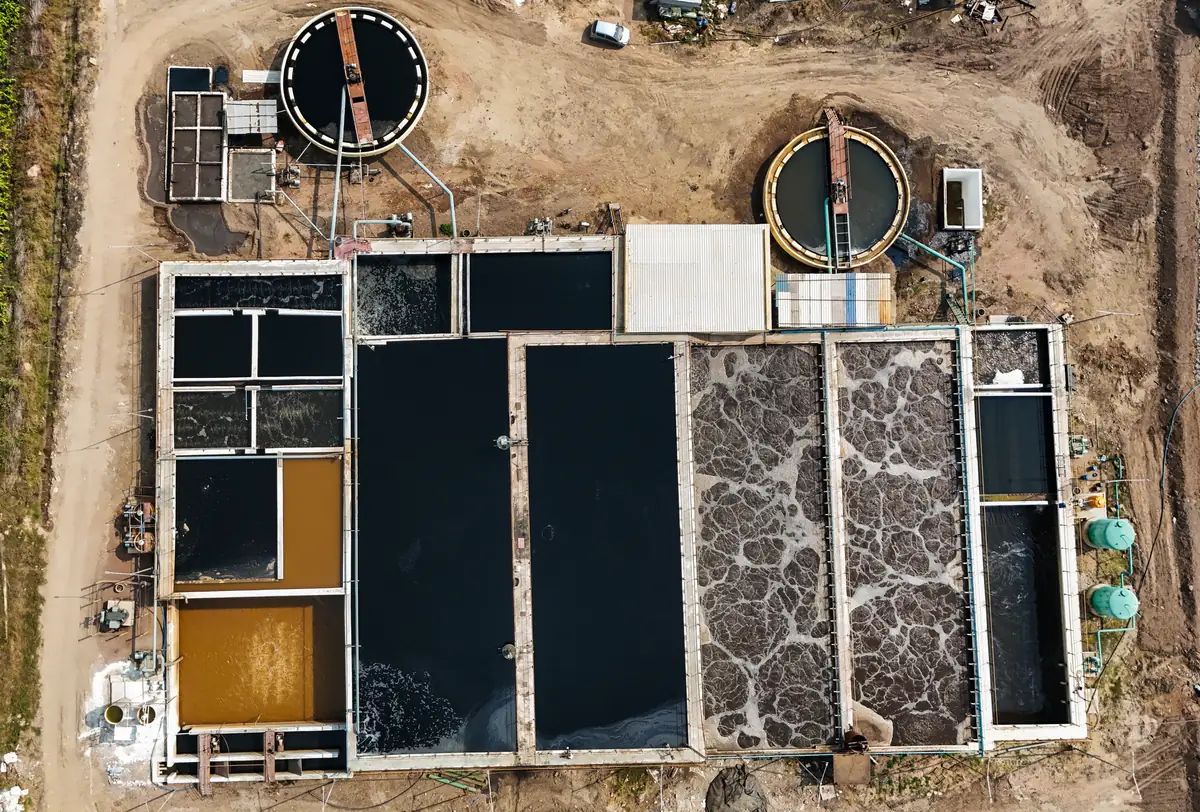
Explore SBS Water’s Effluent Treatment Plant solutions to understand the available options.
Conclusion
Choosing the right industrial wastewater treatment plant requires careful evaluation of wastewater quality, treatment capacity, technology, regulatory requirements, installation space and operating costs.
A properly designed industrial ETP plant can help factories manage effluent responsibly, improve water recovery and support sustainable operations.
Looking for an industrial wastewater treatment solution? Contact SBS Water to discuss your factory’s wastewater treatment requirements and explore a suitable solution.
Frequently Asked Questions (FAQs)
What is the best industrial
wastewater treatment plant for a
factory?
The best plant depends on wastewater quality, flow rate and treatment requirements. A wastewater analysis helps determine the most suitable treatment technology.
How do I select the capacity of
an industrial ETP plant?
Consider daily wastewater generation, peak flow, production schedules and future expansion requirements to determine the appropriate ETP capacity.
What factors affect the cost of
an industrial wastewater
treatment plant?
Cost depends on treatment capacity, technology, equipment, installation, civil work, energy consumption, chemicals and maintenance requirements.
What is the difference between
an ETP and an STP?
An ETP treats industrial process wastewater, whereas an STP treats domestic sewage from toilets, kitchens and washrooms.
Which treatment technologies are
used in industrial ETP plants?
Common technologies include chemical treatment, biological treatment, MBBR, SBR, filtration, Ultrafiltration (UF) and Reverse Osmosis (RO).
Is Zero Liquid Discharge
necessary for every industry?
No. ZLD requirements depend on environmental regulations, industry-specific conditions, water recovery objectives and site requirements.